
Contents
Creating a beautiful and functional living space is a desire shared by many, and the right interior design choices can significantly impact both the aesthetic appeal and the overall well-being within a home. Finding a partner who understands this vision and can translate it into reality is paramount. This is where companies like
The world of interior design is vast and ever-evolving, with trends constantly shifting and new ideas emerging. From minimalist aesthetics to maximalist expressions, there's a style to suit every taste and preference. However, beyond simply following trends, successful interior design focuses on creating spaces that are not only visually appealing but also practical, comfortable, and reflective of the individuals who inhabit them. This requires a keen eye for detail, a strong understanding of color and texture, and the ability to balance form and function harmoniously. Selecting the right resources, like those offered through dedicated online thespinkings.co.uk platforms, is crucial for achieving these goals.
One of the first steps in any interior design project is identifying a style that resonates with your personal aesthetic. There's a wide spectrum to choose from, each with its own defining characteristics. For example, Scandinavian design emphasizes simplicity, functionality, and natural light, often featuring neutral color palettes and minimalist furniture. Mid-century modern, on the other hand, embraces clean lines, organic shapes, and a playful use of color. Traditional design evokes a sense of elegance and formality, with rich colors, ornate details, and classic furnishings. More contemporary styles might incorporate industrial elements like exposed brick and metal, or bohemian influences with eclectic patterns and textures. The key is to find a style that feels authentic to you and complements the existing architecture of your home.
Regardless of the style you choose, maintaining a cohesive design scheme is essential for creating a harmonious and visually appealing space. This means carefully considering how different elements work together – the color palette, furniture styles, textures, and accessories. A well-coordinated space will feel balanced and inviting, while a disjointed one can feel chaotic and uncomfortable. Planning is key here; mood boards are an excellent tool for visualizing your ideas and ensuring that everything aligns with your overall vision. Consider the flow of traffic within the room, the focal points, and how you want people to feel when they enter the space. Careful planning prevents costly mistakes later on and ensures a beautiful, functional result.
| Design Style | Key Characteristics | Typical Color Palette |
|---|---|---|
| Scandinavian | Simplicity, functionality, natural light | Neutral whites, grays, light wood tones |
| Mid-Century Modern | Clean lines, organic shapes, playful colors | Orange, avocado green, mustard yellow, wood tones |
| Traditional | Elegance, formality, classic furnishings | Rich reds, blues, greens, gold accents |
| Bohemian | Eclectic, vibrant, global influences | Bold colors, mix of patterns, natural textures |
Successfully navigating these styles often requires expert guidance and a diverse range of product options. Resources that facilitate this process, such as detailed style guides and curated collections, are integral to a smooth design journey. Understanding the nuances of each style can transform a house into a home that truly reflects your personality and preferences.
Lighting is often referred to as the “jewelry” of interior design, and for good reason. It has the power to dramatically alter the mood and atmosphere of a space. Effective lighting isn’t just about illumination; it’s about creating layers of light that enhance the architectural features, highlight focal points, and provide practical functionality. There are three main types of lighting to consider: ambient, task, and accent. Ambient lighting provides overall illumination, task lighting is focused on specific activities like reading or cooking, and accent lighting is used to highlight artwork or architectural details. Combining these different types of lighting creates a dynamic and welcoming environment. The placement of light fixtures, the color temperature of the bulbs, and the use of dimmers all play a crucial role in achieving the desired effect.
Choosing the right light fixtures is essential for complementing your overall design style. For a modern space, sleek and minimalist fixtures might be the best choice. In a traditional setting, ornate chandeliers or sconces could add a touch of elegance. Consider the scale of the room and the height of the ceilings when selecting fixtures. A large chandelier in a small room can feel overwhelming, while a small fixture in a large room might get lost. Don't be afraid to experiment with different materials and finishes to create visual interest. The materials used, such as metal, glass, or fabric, can also significantly impact the overall aesthetic. Remember, lighting should be both functional and beautiful, seamlessly integrating into your design scheme.
The thoughtful selection and implementation of lighting design elements are pivotal in enhancing a home's atmosphere. A considered choice of fixtures, combined with a layered approach to illumination, can transform ordinary spaces into inviting and stylish retreats.
In today’s world, particularly in urban areas, maximizing space is often a top priority. Smart furniture choices can make a significant difference, especially in smaller homes or apartments. Multi-functional furniture, such as sofa beds, storage ottomans, and coffee tables with hidden compartments, are excellent options for maximizing space without sacrificing style. Vertical storage solutions, such as bookshelves and wall-mounted cabinets, can also help to free up floor space. Choosing furniture with clean lines and a minimalist design can create a sense of openness and airiness. It’s also important to consider the scale of the furniture in relation to the size of the room. Oversized furniture can make a small room feel cramped, while undersized furniture can get lost in a large space. Careful planning and thoughtful selection are key to creating a functional and stylish living space, even in limited square footage.
Mirrors are a brilliant tool for creating the illusion of more space. They reflect light and create a sense of depth, making a room feel larger and more open. Strategically placing a large mirror opposite a window can maximize natural light and enhance the view. Mirrors can also be used to highlight architectural features or artwork. Consider using mirrored furniture, such as a mirrored console table or bedside table, to create a glamorous and sophisticated look. When using mirrors, it’s important to consider what they are reflecting. Avoid reflecting clutter or unsightly areas, as this will only amplify the problem. Instead, focus on reflecting beautiful objects or calming scenes.
Smart spatial planning and furniture selection are integral to creating a comfortable and stylish home. By incorporating clever solutions and considering the proportions of the space, you can transform even the smallest areas into functional and inviting retreats.
While color often takes center stage in interior design, texture and pattern play equally important roles in creating a visually appealing and inviting space. Texture adds depth and dimension, while pattern introduces visual interest and personality. Combining different textures, such as smooth silk, rough linen, and cozy wool, can create a rich and layered look. Pattern can be incorporated through wallpaper, fabrics, rugs, and accessories. When using patterns, it’s important to consider the scale and complexity of the design. Large-scale patterns can make a small room feel smaller, while small-scale patterns can add a subtle touch of interest. Mixing patterns can be a fun and creative way to personalize your space, but it’s important to do it thoughtfully. Choose patterns that share a common color palette or theme to ensure a cohesive look.
Accessories are the finishing touches that can truly transform a space from simply furnished to beautifully decorated. They are the elements that reflect your personality and add a sense of warmth and character to your home. Consider items like throw pillows, blankets, artwork, plants, and decorative objects. When choosing accessories, think about the overall style and color palette of your room. Choose items that complement the existing décor and add visual interest. Don't be afraid to mix and match different textures and materials to create a layered look. Grouping accessories together in odd numbers (such as three or five) is often more visually appealing than arranging them in even numbers. A curated collection of accessories can elevate your space and make it feel truly personal.
Remember that the goal of interior design isn’t just to create a beautiful space; it’s to create a space that supports your lifestyle and enhances your well-being. Taking the time to plan carefully, choose wisely, and personalize your décor can make all the difference. Companies like thespinkings.co.uk offer a wealth of resources and inspiration to help you navigate this process and achieve your design goals. Consider the long-term usability and enjoyment of the space; designs that are both aesthetically pleasing and practically functional are the most successful in the end. Focusing on quality, comfort, and personal expression will ensure a home that you truly love for years to come.
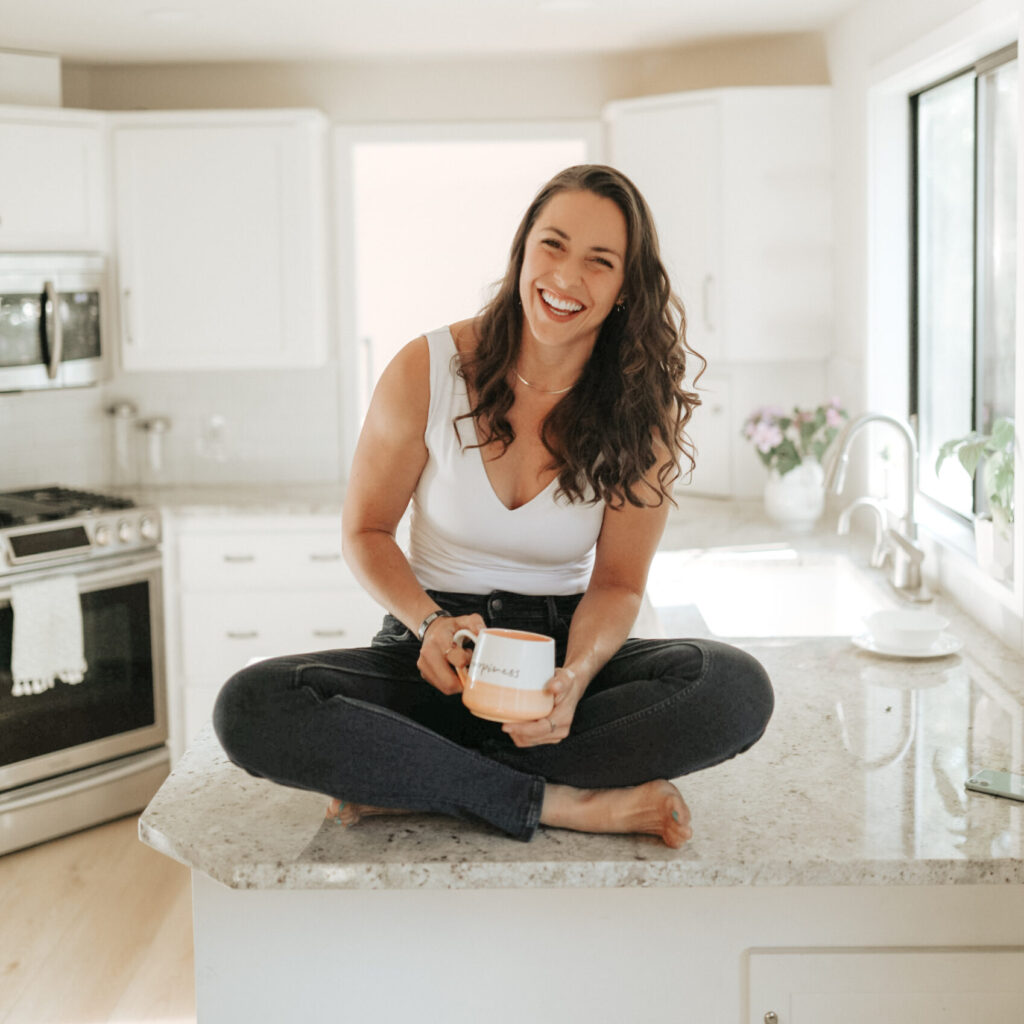
Women’s Functional Nutritionist & Fitness Specialist along with CEO of Elysian Women’s Wellness.
God, family, fitness – in that order. Fitness isn’t my job, it’s my passion. My favorite things include traveling the world, being a mama and making a difference.
14 years of experience in the wellness industry has brought me to an understanding that when you’re ready – you’ll do it. So when you are, we’re here to keep you simply well.
The last “program” you’ll ever buy. Your individualized training & nutrition plan that teaches the why & how to create lasting changes with me by your side every step of the way!


Error: No feed found.
Please go to the Instagram Feed settings page to create a feed.
Level 0, 1, 2 & 3: Level Up your workouts with beginner to advanced plans designed with a focus lift each month, progressive overload, instructional videos & all inclusive training & nutrition guides.