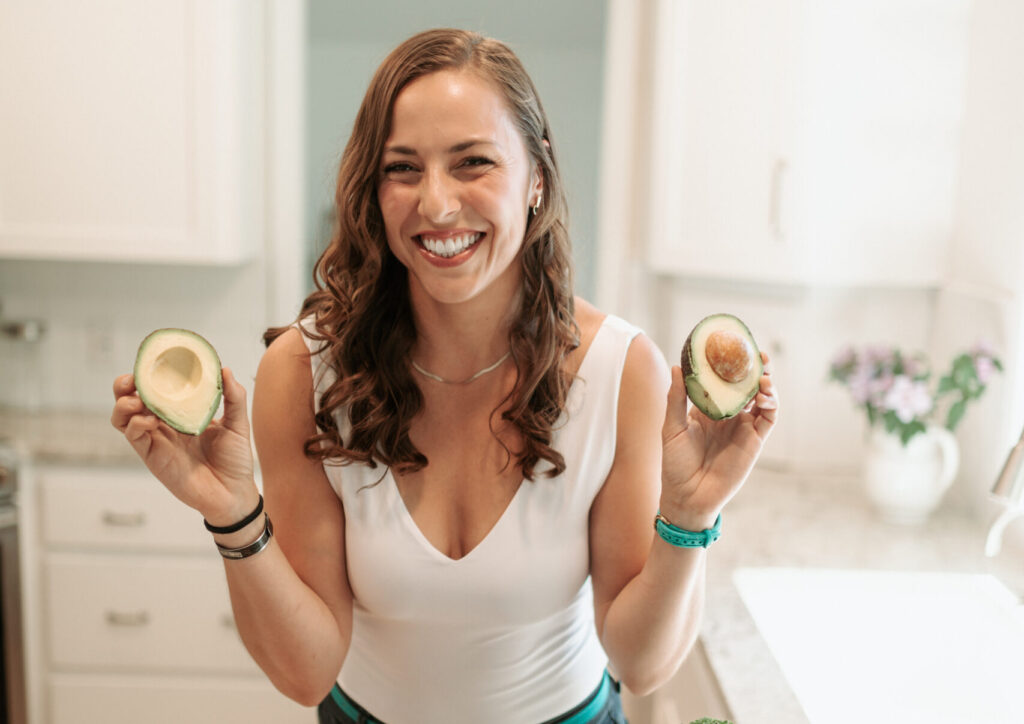
If you’re eating better than ever, hitting your workouts, walking daily, cutting back on wine — and still watching your waistline grow or the scale stay stuck — this episode is for you.
Because here’s the truth:
It’s not your effort.
It’s not your discipline.
It’s not “just your age.”
It’s inflammation.
After 35, chronic low-grade inflammation becomes one of the biggest reasons women struggle with fat loss, joint pain, low energy, and stubborn belly fat — even when they’re doing everything “right.”
In this week’s episode of the Fitness Simplified Podcast, I’m breaking down the exact role inflammation plays in midlife metabolism, why so many women overlook it, and how to finally calm it so your body can respond again.
Contents
The Metabolism–Inflammation Link No One Talks About
Most women think of inflammation as something obvious — redness, swelling, an injury, a sprained ankle.
But chronic low-grade inflammation is different. It’s subtle.
It builds slowly.
And it impacts every major system involved in fat loss.
When inflammation is running in the background, it can:
• Block insulin sensitivity — leading to more belly fat
• Slow thyroid hormone activation — reducing metabolic output
• Disrupt mitochondria — lowering energy and fat oxidation
• Change fat storage patterns — especially during perimenopause
• Increase stress hormones — which adds more inflammation on top
So even if you’re exercising and eating well, your body shifts into “protection mode,” not fat-burning mode.
Why Inflammation Skyrockets in Midlife
Between 35 and 55, hormone shifts are happening whether we feel them or not. Estrogen and progesterone naturally fluctuate and decline — and both normally help calm inflammation.
Combine that with:
• More stress and responsibilities
• Lighter, broken sleep
• Loss of muscle mass
• Increased visceral fat (belly fat around organs)
…and you have the perfect storm for chronic inflammation.
You might notice:
• Slower recovery after workouts
• Weight gain even with clean eating
• Achy joints or muscles
• Brain fog or afternoon crashes
• Feeling “inflamed” but not knowing why
These aren’t random. They’re signs your metabolism is being hijacked by inflammation.
The Vicious Cycle That Keeps You Stuck
Once inflammation starts rising, several things happen at once:
1️⃣ Insulin resistance creeps in
Your cells stop responding properly to insulin, so your body stores more fat — especially around the midsection.
2️⃣ Thyroid function slows
Inflammation messes with thyroid conversion, so you burn fewer calories even at rest.
3️⃣ Mitochondria take a hit
These tiny “energy factories” can’t burn fat efficiently when inflamed.
4️⃣ Hormone shifts intensify fat storage
As estrogen declines, women shift toward storing more visceral belly fat — which produces more inflammation.
The more inflammation you have…
the more fat you store…
the more inflammation you create.
This is why “eat less, move more” backfires in midlife.
Hidden Drivers of Chronic Inflammation
If you’re inflamed, exhausted, and not seeing results, one (or several) of these is likely contributing:
• Gut issues + dysbiosis
Leaky gut increases inflammatory chemicals. Many women don’t realize bloating, food reactions, and joint pain can be gut-driven.
• Blood sugar swings
Every crash and spike raises inflammatory cytokines.
• Nervous system dysregulation
Chronic stress keeps your body in survival mode 24/7.
• Food intolerances & nutrient deficiencies
Missing minerals like magnesium or zinc makes inflammation worse.
• Liver overload
If your body can’t clear waste and hormones efficiently, inflammation builds.
This combination is why your metabolism feels like it has “shut down.”
How to Fix It: 3 Data-Driven Strategies
Here’s the process I walk clients through to calm inflammation and get their metabolism responding again:
1️⃣ Build an Anti-Inflammatory Plate
Aim for…
• ~30g protein per meal
• ½ plate of colorful non-starchy vegetables
• Healthy fats (olive oil, avocado, nuts, seeds)
• Whole-food carbs (sweet potato, quinoa, beans) based on activity
This stabilizes blood sugar, supports hormones, and lowers inflammatory load.
2️⃣ Regulate Your Nervous System + Move with Intention
Daily:
• 5–10 minutes of breathwork or journaling
• A 5–15 minute walk after meals
• Consistent strength training
These small habits drastically change inflammation and how your body processes food.
3️⃣ Test Instead of Guessing
Key labs that matter for midlife women:
• hs-CRP (inflammation)
• Fasting insulin + glucose
• Lipids
• Thyroid panel
• Female hormone panel
I also use at-home measures like waist-to-hip ratio, digestion patterns, energy levels, and sleep quality to track progress.
A Quick Win You Can Start Today
Pick one high-sugar daily habit — the afternoon cookie, nightly dessert, sugary latte — and swap it for:
• Greek yogurt + berries
• Apple + almond butter
• Nuts + dark chocolate
Do it for 7 days and watch your energy, cravings, and inflammation shift.
The Takeaway
Chronic inflammation isn’t a small thing you “get to later.”
It’s one of the most important reasons your metabolism feels slow, why fat loss is harder in midlife, and why adding more cardio or cutting more calories isn’t helping.
When you lower inflammation through gut health, blood sugar control, nervous system support, and intentional nutrition — your body finally stops fighting you.
Fat loss becomes easier.
Energy improves.
Recovery gets faster.
Your mood stabilizes.
Your metabolism starts working with you again — not against you.
🎧 Listen to Episode 57: The Link Between Chronic Inflammation and Stubborn Weight in Midlife Women to learn how to calm inflammation, unlock fat loss, and feel like yourself again.
🔗 Coach Brooke Davis Links
Website: elysianwomen.org
Instagram: @brooke_elysian
Facebook: Brooke Davis CPT
Free Community: Women’s Fitness Simplified: Lean down, tone up, build confidence!
Take Our Free Hormone Analysis: https://brookedavis.typeform.com/to/quKUjmTI
Book a Discovery Call: https://scheduler.zoom.us/brooke-davis-mjzn71/discovery-call