
Contents
Creating a truly sophisticated interior is a multifaceted endeavor, one that extends far beyond simply selecting furniture and paint colors. It's about crafting an atmosphere, a feeling, a space that reflects the personality and lifestyle of those who inhabit it. Achieving this level of refinement often requires a keen eye for detail and a willingness to incorporate elements that speak to enduring style. For those seeking to elevate their interior design, exploring unique and high-quality resources is paramount. Platforms like https://bonrushs-uk.uk offer a curated selection of items specifically chosen to imbue spaces with character and timeless appeal, helping homeowners and designers alike realize their vision.
The essence of a well-designed interior lies in its ability to tell a story. Each piece, from the grandest statement furniture to the smallest decorative accents, should contribute to a cohesive narrative. This isn't about blindly following trends, but rather about understanding the principles of design and applying them in a way that feels authentic and personal. Finding the right elements to express this individuality can be challenging, but it’s a journey that ultimately results in a home that is both beautiful and meaningful. The right accessories can truly elevate a room, and sourcing those pieces from a reputable source is vital to ensuring lasting quality and aesthetic cohesion.
One of the most impactful techniques in interior design is the use of textural contrast. Combining smooth and rough, soft and hard, matte and glossy surfaces creates visual interest and depth, preventing a room from feeling flat or monotonous. Think about pairing a plush velvet sofa with a rugged, reclaimed wood coffee table, or contrasting the sleekness of stainless steel accents with the warmth of natural woven textiles. This interplay of textures engages the senses and adds a layer of complexity to the overall design. Consider how varying heights and materials can provide a visual flow when the eye scans across the room. Using a variety of materials is central to creating a layered and inviting space. Furthermore, texture subtly enhances the perception of light and shadow, contributing to a more dynamic and captivating interior environment. Experimenting with different combinations is key to discovering what works best for your individual style and space.
Adding antique and vintage pieces is a fantastic way to introduce texture, character, and a sense of history into your home. These items often possess a unique patina and a story to tell, things that modern reproductions simply cannot replicate. From intricately carved wooden furniture to timeworn rugs and faded tapestries, vintage finds inject a layer of authenticity and charm. When sourcing antiques, don’t be afraid to embrace imperfections; they often add to the piece’s appeal and demonstrate its age and journey. Online marketplaces and local antique shops are excellent places to start your search. Remember to carefully inspect items for any structural issues, but don’t shy away from pieces that require a little restoration—often, a little TLC can bring a forgotten treasure back to life.
| Material | Texture Description | Suitable Applications |
|---|---|---|
| Velvet | Soft, plush, luxurious | Upholstery, cushions, drapes |
| Reclaimed Wood | Rough, weathered, natural | Furniture, accent walls, flooring |
| Linen | Lightweight, breathable, slightly textured | Curtains, bedding, slipcovers |
| Metal (Steel/Brass) | Smooth, cool, potentially reflective | Lighting fixtures, furniture frames, hardware |
The careful integration of texture, whether through diverse materials or the inclusion of vintage pieces, is a key component of creating a sophisticated and inviting interior. It’s about bringing together elements that feel tactile and engaging, turning a house into a home.
Lighting is often underestimated, yet it plays a crucial role in shaping the ambiance and functionality of a space. It’s not simply about illumination; it’s about creating atmosphere, highlighting architectural features, and showcasing artwork. A well-lit room feels more spacious, welcoming, and visually appealing. Layering your lighting is essential, combining ambient, task, and accent lighting to achieve a balanced and versatile scheme. Ambient lighting provides general illumination, task lighting focuses on specific areas for activities like reading or cooking, and accent lighting highlights focal points such as artwork or sculptures. Avoid relying solely on overhead lighting, as this can create harsh shadows and a flat, uninviting atmosphere. Utilize a variety of light sources, including table lamps, floor lamps, wall sconces, and recessed lighting, to create depth and dimension.
The color temperature of your light bulbs—measured in Kelvins—can significantly impact the mood of a room. Warmer tones (2700K-3000K) create a cozy and inviting atmosphere, making them ideal for bedrooms and living rooms. Cooler tones (3500K-4000K) are more energizing and are better suited for kitchens and workspaces. Consider using dimmers to adjust the brightness and create different moods as needed. LED bulbs are an excellent choice, offering energy efficiency, long lifespan, and a wide range of color temperatures. When selecting bulbs, also pay attention to their lumen output, which determines their brightness. Exploring smart lighting systems allows for even greater control and customization, enabling you to adjust lighting scenes remotely and automate schedules.
Mastering the art of lighting design is a powerful way to transform your interior, enhancing its functionality, beauty, and overall mood. When integrated correctly, lighting can truly elevate the ambiance of any space.
Color is a fundamental element of interior design, capable of evoking a wide range of emotions and influencing our perceptions of space. A carefully chosen color palette can create a sense of harmony, balance, and visual appeal. When selecting colors, consider the overall mood you want to achieve and the existing architectural features of the room. Neutral palettes—such as grays, beiges, and whites—provide a versatile backdrop, allowing you to introduce pops of color through accessories and artwork. However, don’t be afraid to experiment with bolder hues, especially in smaller spaces, as they can add personality and energy. Understanding color theory is essential for creating a cohesive and visually pleasing scheme. Complementary colors—those opposite each other on the color wheel—create a dynamic contrast, while analogous colors—those adjacent to each other—offer a more harmonious and soothing effect.
A helpful guideline for creating a balanced color palette is the 60-30-10 rule. This involves allocating 60% of the room’s color to the dominant hue, typically on the walls and large furniture pieces. 30% is then used for a secondary color, often found in upholstery, curtains, and accent furniture. Finally, 10% is reserved for an accent color, used in accessories, artwork, and decorative objects. This distribution creates visual interest without being overwhelming. Before committing to a color scheme, it's always a good idea to test paint samples in the actual space, observing how they look under different lighting conditions. Consider the natural light that the room receives, as this will influence how colors are perceived. Resources like https://bonrushs-uk.uk often showcase interiors featuring expertly curated color palettes, providing inspiration and guidance for your own projects.
Mastering the use of color is pivotal for transforming a space and establishing a unified aesthetic. Choosing the right palette can cultivate a sense of calm, energy, or sophistication.
Every well-designed room needs a focal point—a feature that immediately captures the eye and draws the viewer in. This could be a striking piece of artwork, a dramatic fireplace, a panoramic window with a stunning view, or a uniquely designed piece of furniture. The focal point serves as an anchor for the room, providing a sense of balance and visual interest. When selecting a focal point, consider the room’s architecture and function. In a living room, the fireplace or a large window might be a natural choice, while in a bedroom, the bed often serves as the focal point. Once you’ve identified the focal point, arrange the surrounding furniture and accessories to complement and enhance it. Avoid cluttering the area around the focal point, as this can detract from its impact. Strategic lighting can also be used to emphasize the focal point, drawing attention to its details and textures.
Statement pieces play a crucial role in establishing the focal point and reflecting your personal style. These are items that are unique, eye-catching, and command attention. It could be an antique chandelier, a vibrant rug, a sculptural chair, or a bold piece of artwork. When choosing statement pieces, consider the overall aesthetic of the room and select items that complement the existing color palette and style. A well-chosen statement piece can instantly elevate the entire space, transforming it from ordinary to extraordinary. Remember, less is often more; avoid overcrowding the room with too many competing statement pieces, as this can create a chaotic and overwhelming effect.
The line between indoor and outdoor living is becoming increasingly blurred, with many homeowners now viewing their outdoor spaces as extensions of their homes. Creating a seamless transition between the two requires careful planning and attention to detail. Extend the color palette and materials used indoors to the outdoor area, creating a cohesive and harmonious look. For example, if you’ve used a lot of natural wood and woven textiles indoors, incorporate those elements into your outdoor furniture and accessories. Consider creating defined zones within your outdoor space, such as a dining area, a lounge area, and a cooking area. Outdoor lighting is also essential, creating a warm and inviting atmosphere for evening entertaining. Durable, weather-resistant furniture and accessories are a must, ensuring that your outdoor space can withstand the elements.
Investing in quality outdoor furniture and décor can transform your outdoor space into an extension of your indoor living area, providing a relaxing and enjoyable environment for both entertaining and relaxation. Explore the curated selection at resources like https://bonrushs-uk.uk to discover pieces that will seamlessly integrate with your existing interior style and elevate your outdoor living experience. Remember to choose items that reflect your personal taste and create an outdoor oasis that you’ll love spending time in.
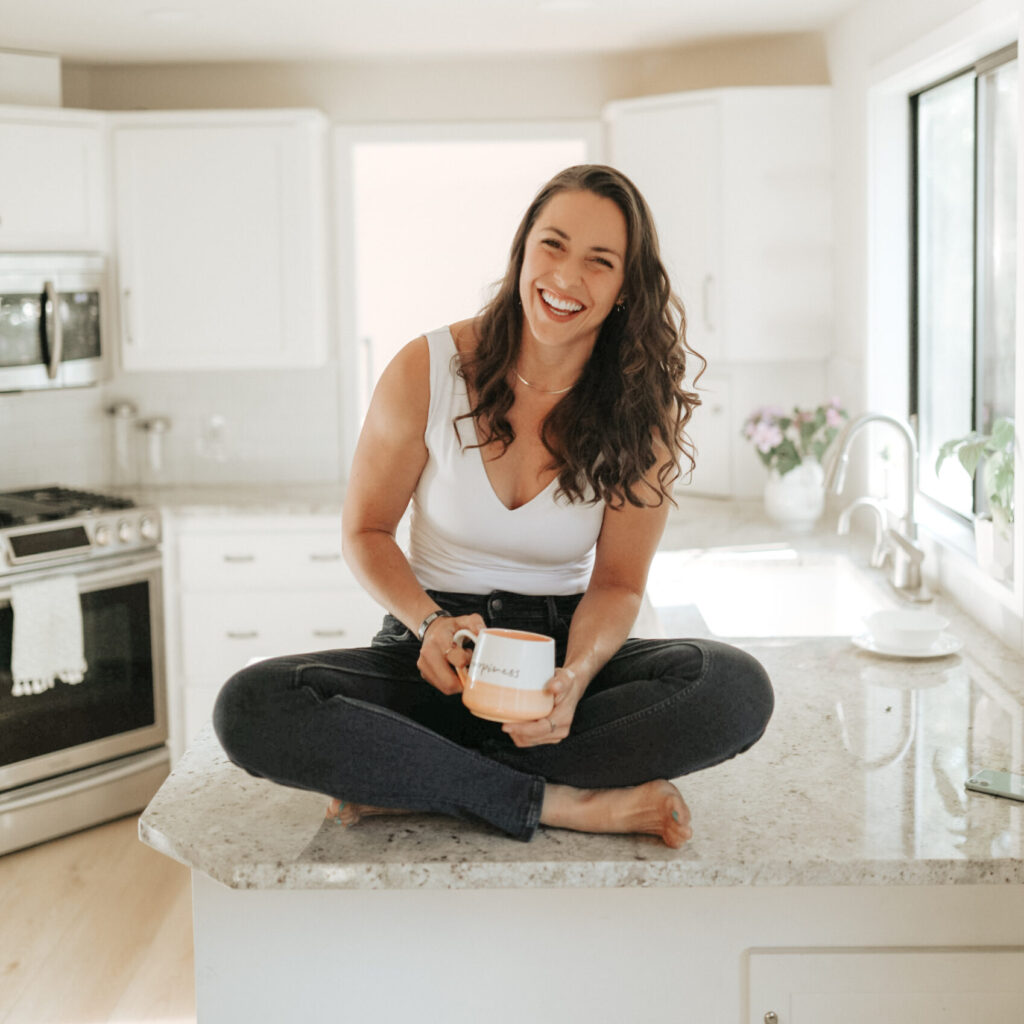
Women’s Functional Nutritionist & Fitness Specialist along with CEO of Elysian Women’s Wellness.
God, family, fitness – in that order. Fitness isn’t my job, it’s my passion. My favorite things include traveling the world, being a mama and making a difference.
14 years of experience in the wellness industry has brought me to an understanding that when you’re ready – you’ll do it. So when you are, we’re here to keep you simply well.
The last “program” you’ll ever buy. Your individualized training & nutrition plan that teaches the why & how to create lasting changes with me by your side every step of the way!


Error: No feed found.
Please go to the Instagram Feed settings page to create a feed.
Level 0, 1, 2 & 3: Level Up your workouts with beginner to advanced plans designed with a focus lift each month, progressive overload, instructional videos & all inclusive training & nutrition guides.